

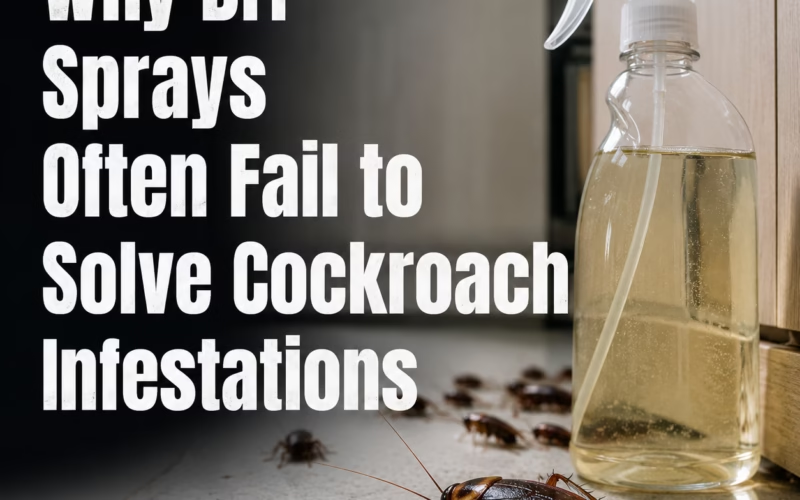
Cockroaches are one of the most difficult household pests to remove properly. They hide well, move mostly at night, breed quickly, and survive in places that are hard to reach during normal cleaning. When homeowners see cockroaches in the kitchen, bathroom, laundry, or around appliances, the first response is often to grab a spray from the supermarket and treat the visible area.
DIY sprays can seem like a fast solution because they may kill the cockroaches you can see. The problem is that visible cockroaches are usually only a small part of the infestation. Many more may be hiding behind cupboards, under appliances, inside wall gaps, around drains, or near warm and damp spaces. This is why proper Cockroach Control needs to go beyond surface spraying and focus on the source of the infestation.
DIY Sprays Usually Only Treat Visible Cockroaches
Most DIY sprays are designed for direct contact. This means they work best when sprayed straight onto the cockroach. While this may kill the pest in front of you, it does not always reach the nesting areas or hidden harbourage spots where the infestation is growing.
Cockroaches prefer dark, tight, and protected areas. They often hide behind fridges, ovens, dishwashers, pantry shelves, skirting boards, pipe openings, wall cracks, and cabinet joins. These areas are not easy to reach with a basic spray, especially when the cockroaches are deep inside gaps or moving through wall voids.
This is why the problem often returns after a few days. The spray may reduce visible activity, but the hidden population can continue breeding. For lasting results, Cockroach Control must target where cockroaches live, feed, and reproduce, not just where they appear at night.
Sprays Can Push Cockroaches Deeper Into Hiding
Another common issue with DIY sprays is that they can disturb cockroaches without fully eliminating them. When cockroaches sense chemicals, they may scatter into deeper cracks, wall gaps, cupboards, or nearby rooms. This can make the infestation harder to manage.
Instead of solving the problem, surface spraying may spread cockroach activity across a wider area. A homeowner may first notice cockroaches in the kitchen, then later see them in the bathroom, laundry, or bedroom. This can happen when the treatment pushes them away from one area without reaching the actual source.
Professional treatment is different because it is applied based on cockroach behaviour. A technician checks movement patterns, hiding areas, food sources, moisture sources, and entry points before choosing the right treatment method.
Cockroach Eggs Are Often Left Behind
Cockroaches reproduce quickly, and their egg cases can be hidden in cracks, cupboards, appliances, and wall gaps. DIY sprays may kill some adult cockroaches, but they often fail to affect eggs that are protected in hidden areas.
When these eggs hatch, the infestation can start again. This is one reason homeowners feel like cockroaches keep coming back even after repeated spraying. The treatment may not have reached the next generation of cockroaches.
Effective Cockroach Control needs to break the breeding cycle. This may involve using baits, gels, dusts, monitoring tools, and targeted treatments that continue working after application. In heavier infestations, follow-up treatment may also be needed to control newly hatched cockroaches.
Food and Moisture Keep Supporting the Infestation
DIY sprays do not remove the conditions that attract cockroaches in the first place. If food, grease, crumbs, open bins, pet food, leaking taps, damp cupboards, or dirty drains remain available, cockroaches can continue to survive.
Kitchens are especially common problem areas because they provide everything cockroaches need. Even small food particles under the fridge, grease behind the oven, or crumbs inside pantry corners can support activity. Bathrooms and laundries can also attract cockroaches because of moisture, drains, and hidden plumbing gaps.
Spraying the floor or cupboard edges will not fix these conditions. Homeowners also need to clean hidden areas, store food in sealed containers, empty bins regularly, repair leaks, and reduce moisture around sinks, pipes, and drains.
Store-Bought Products May Not Suit Every Infestation
Not all cockroach infestations are the same. Some cockroaches live mostly indoors near kitchens and appliances. Others may enter from drains, gardens, wall gaps, roof voids, or outdoor areas. The treatment method should depend on the species, location, and severity of the infestation.
DIY sprays are often general products. They may not be strong enough, targeted enough, or suitable for the specific cockroach problem inside the home. Using the wrong product can waste time and may allow the infestation to grow.
Professional pest technicians identify the type of cockroach and choose the correct treatment for the situation. This makes the process more effective than guessing with repeated sprays.
Entry Points Are Often Ignored
Cockroaches can enter through very small gaps. Openings under doors, damaged fly screens, cracks in walls, gaps around pipes, vents, drains, and service openings can all allow cockroaches inside. In apartments and shared buildings, they may also move through wall voids, plumbing spaces, and common areas.
DIY sprays do not stop new cockroaches from entering if these access points remain open. A homeowner may keep treating the same area, but more cockroaches may continue coming in from outside or from nearby units.
A complete Cockroach Control plan should include entry point checks. Sealing gaps, fixing door seals, repairing screens, covering vents, and managing outdoor waste areas can reduce the chance of repeat activity.
Overusing Sprays Can Create Safety Concerns
Many homeowners use more spray than needed because they think a stronger application will give better results. This can create safety concerns, especially around kitchens, food preparation areas, pets, children, and poorly ventilated rooms.
Spraying near food, dishes, benchtops, appliances, or pet bowls can be risky if the product is not used correctly. Some people also mix products or apply them too often, which can increase exposure without improving the result.
Professional pest treatment is carried out with controlled application methods. Technicians know where products should be placed, how much should be used, and which areas need extra care. This helps manage pests while reducing unnecessary chemical use inside the home.
Professional Treatment Targets the Source
Professional cockroach treatment works better because it starts with inspection. A technician checks where cockroaches are hiding, how they are entering, what they are feeding on, and which areas are supporting the infestation.
Treatment may include gels, baits, dusts, residual products, and monitoring methods depending on the property. These are placed in areas where cockroaches are likely to travel and feed, such as cracks, hinges, cupboard corners, appliance gaps, wall openings, and plumbing zones.
This approach is more effective than spraying visible cockroaches because it focuses on the source. It also helps reduce breeding activity and gives homeowners advice on how to prevent the problem from returning.
When Should Homeowners Stop Using DIY Sprays?
DIY sprays may help with the occasional cockroach, but they are not enough when activity keeps returning. Homeowners should consider professional help if cockroaches are seen regularly, appear during the day, show up in multiple rooms, or leave droppings, egg cases, or strong odours.
Daytime sightings can be a warning sign because cockroaches usually hide during daylight. If they are active in open areas during the day, the infestation may already be larger than it looks.
The sooner the source is treated, the easier the problem is to manage. Waiting too long can allow cockroaches to spread through cupboards, appliances, drains, and wall gaps.
Final Thoughts
DIY sprays often fail because they only deal with the cockroaches you can see. They may not reach hidden nests, eggs, entry points, moisture sources, or food areas that keep the infestation active. In some cases, sprays can even push cockroaches deeper into hiding and make the problem harder to control.
Professional Cockroach Control gives homeowners a better chance of treating the infestation properly. It focuses on inspection, targeted treatment, breeding areas, entry points, and prevention advice. For repeat cockroach problems, this approach is far more reliable than spraying the same areas again and again.
A clean home, sealed gaps, reduced moisture, proper food storage, and professional treatment can all work together to stop cockroaches at the source and reduce the risk of them returning.
