

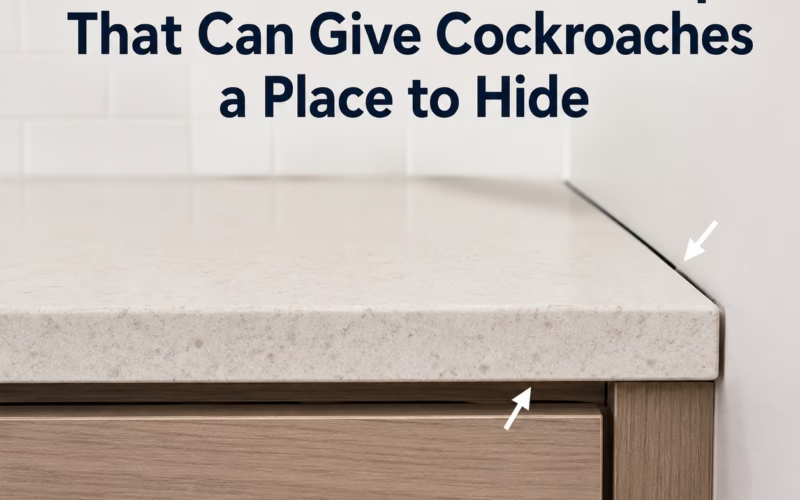
A newly renovated kitchen often looks spotless on the surface. Clean cabinetry, fresh finishes, and modern stone surfaces can make the entire space feel more hygienic and easier to maintain. But even in brand-new kitchens, small construction gaps around benchtops, splashbacks, and cabinetry can quietly create ideal hiding places for cockroaches.
Many homeowners only realise this after spotting insects emerging from behind appliances or disappearing into tiny crevices near the sink. These openings may seem insignificant, but cockroaches are highly adaptable pests capable of squeezing into extremely narrow spaces. In kitchens, where warmth, moisture, and food residue are always present, even the smallest concealed gap can become a long-term hiding area.
Why New Kitchens Still Attract Cockroaches
A modern kitchen is not automatically pest-proof. In fact, renovations can sometimes create new hiding spaces if joints, edges, or plumbing penetrations are not sealed properly.
Cockroaches are naturally drawn to kitchens because they provide everything needed for survival: food, moisture, warmth, and shelter. New benchtops may leave narrow cavities where cabinetry meets the wall, around sinks, or beneath splashbacks. If silicone sealing is incomplete or begins to separate over time, these areas become protected hiding zones.
The problem becomes more noticeable at night, when cockroaches leave their hiding places to search for food and water. During the day, they remain concealed inside cracks, behind appliances, and under cabinetry, where they are difficult to detect.
The Risk Around Stone and Timber Joinery
The junction between benchtops and surrounding surfaces is one of the most overlooked areas in kitchen design. Small gaps often appear where the benchtop meets the wall, around plumbing cut-outs, or near cabinet corners. These spaces can trap moisture and crumbs, particularly around sinks and dishwashers.
This is especially important in kitchens fitted with marble kitchen benchtops because the focus is often placed on appearance and finish quality rather than pest prevention. While the stone surface itself is not the issue, the surrounding installation details can influence whether cockroaches gain access to concealed spaces behind cabinetry.
Even tiny food particles and condensation around these joins can sustain cockroach activity. Kitchens provide a stable environment with constant warmth from appliances and regular access to water.
Why Tiny Gaps Matter More Than People Think
Cockroaches prefer dark, enclosed spaces where they can remain undisturbed. Gaps behind splashbacks, under cabinets, or around plumbing lines create perfect conditions for nesting. These pests are particularly attracted to areas behind refrigerators, dishwashers, and sinks because moisture levels tend to remain higher there.
Once cockroaches establish themselves inside concealed spaces, infestations can spread quickly. German cockroaches, one of the most common indoor species in Australia, reproduce rapidly and often remain hidden until populations become large. A single visible cockroach can indicate many more concealed within nearby cavities or wall spaces.
Common Areas Where Gaps Appear
Many problem areas are hidden in plain sight. Small separations can form between the benchtop and splashback, particularly if sealants shrink or crack over time. Plumbing penetrations beneath sinks also create entry points when not sealed properly.
Gaps beneath lower cabinets are another common issue, especially if kickboards are poorly fitted. Around appliances, spaces between cabinetry and walls can become long-term hiding areas where crumbs and grease accumulate unnoticed.
Even well-installed kitchens may develop minor movement over time due to settling, moisture, or repeated use. Without maintenance, these tiny openings gradually become more attractive to pests.
The Hygiene Risks of Hidden Cockroaches
Cockroaches are not only unpleasant to see. They can also contaminate kitchen surfaces and food preparation areas. These pests are known to spread bacteria after moving through drains, rubbish areas, and contaminated surfaces.
Their droppings, shed skins, and body fragments may also contribute to allergies and asthma symptoms in sensitive individuals. The biggest issue with concealed infestations is that they often remain active for long periods before becoming obvious. By the time cockroaches start appearing regularly in open areas, the nesting sites are usually already established.
How to Reduce the Risk
Preventing hidden nesting areas starts with sealing gaps properly. Silicone sealant should be checked regularly around splashbacks, sinks, and cabinetry joints. Any separation or cracking should be repaired promptly to prevent cockroaches from gaining access.
Plumbing penetrations under sinks should also be sealed carefully. Moisture control is equally important because leaking pipes and condensation create highly attractive conditions for pests. Regular cleaning behind appliances and inside cupboards helps remove crumbs, grease, and hidden food residue. Kitchens that appear clean on the surface may still contain food build-up in concealed areas. Reducing clutter inside cabinets also limits potential hiding places.
When Professional Help Becomes Necessary
If cockroaches continue appearing despite cleaning and sealing efforts, the problem may already extend beyond visible areas. Infestations inside wall cavities, cabinetry, or appliance voids are difficult to eliminate without professional treatment. Random surface spraying rarely addresses the source of the infestation and can sometimes push cockroaches deeper into hidden areas.
This is where professional cockroach pest control becomes important. Pest professionals can identify hidden nesting areas, apply targeted treatments, and locate entry points that are often overlooked during routine cleaning. Early intervention is usually far easier than dealing with a widespread infestation later.
Conclusion
Small gaps around a new kitchen benchtop may not seem important during installation, but they can quickly become hidden shelter for cockroaches if left unsealed. Kitchens naturally provide warmth, moisture, food residue, and darkness, making them one of the most attractive areas in any home for pest activity.
Even tiny cracks around cabinetry, plumbing, or splashbacks can create safe hiding areas where infestations remain hidden for months. Regular inspections, proper sealing, moisture control, and good hygiene practices all play an important role in preventing problems before they escalate.
A well-designed kitchen should not only look clean but also reduce the hidden spaces where pests can thrive.
FAQs
1. Can cockroaches hide in very small kitchen gaps?
Yes. Cockroaches can squeeze through extremely narrow openings and often hide inside cracks around cabinets, plumbing, and benchtops.
2. Why are kitchens so attractive to cockroaches?
Kitchens provide food, moisture, warmth, and shelter, which are the main conditions cockroaches need to survive.
3. Are new kitchens less likely to get cockroaches?
Not necessarily. Poor sealing, hidden gaps, and moisture around new installations can still attract pests.
4. What areas around a benchtop should be checked?
Inspect joins around splashbacks, sinks, plumbing cut-outs, cabinet corners, and spaces behind appliances.
5. Can sealing gaps help prevent infestations?
Yes. Proper sealing reduces access to hidden nesting areas and helps limit cockroach movement.
6. When should professional pest control be considered?
If cockroach sightings continue despite cleaning and sealing efforts, professional treatment may be needed to address hidden infestations.
