

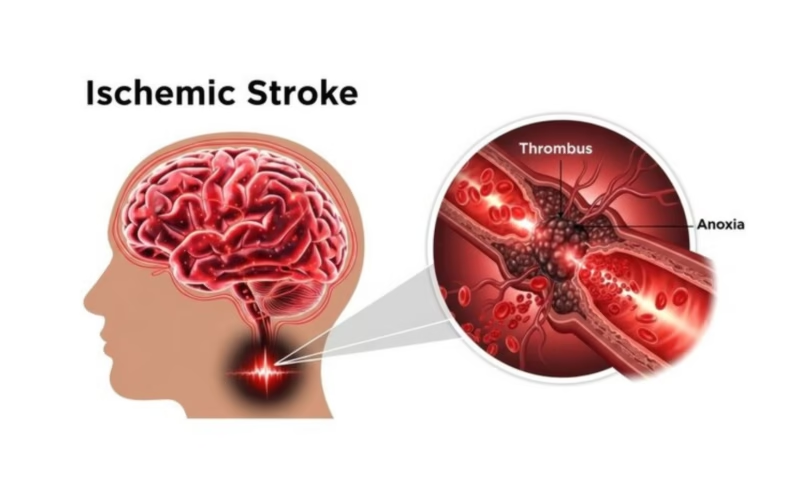
A stroke does not always come with dramatic symptoms. In many cases, the early signs are subtle and easy to dismiss. That is what makes an ischemic stroke especially dangerous. It happens when blood flow to the brain is blocked, often by a clot, and brain cells begin to die within minutes.
Recognizing the warning signs early can make all the difference. Quick medical attention can reduce brain damage, improve recovery, and in some cases, save a life.
What Is an Ischemic Stroke?
An ischemic stroke is the most common type of stroke. It occurs when a blood vessel supplying the brain becomes blocked. This prevents oxygen and nutrients from reaching brain tissue.
Without timely treatment, the affected part of the brain can suffer permanent damage. That is why knowing the symptoms is not just helpful, it is critical.
Common Warning Signs You Should Not Ignore
Stroke symptoms can appear suddenly. Here are the most important signs to watch for:
1. Sudden numbness or weakness
This usually affects one side of the body. You may notice weakness in the face, arm, or leg. A simple way to check is to try raising both arms. If one drifts downward, it could be a warning sign.
2. Difficulty speaking or understanding speech
Speech may become slurred or hard to understand. You might struggle to find the right words or feel confused when others are speaking.
3. Vision problems
Blurred or double vision can occur in one or both eyes. Some people experience a sudden loss of vision.
4. Severe headache
A sudden, intense headache with no known cause can signal a stroke. It may feel different from usual headaches and come on very quickly.
5. Trouble walking or loss of balance
Dizziness, lack of coordination, or difficulty walking can appear without warning. You may feel unsteady or unable to stand properly.
Use the FAST Method to Recognize a Stroke
The FAST method is a simple and effective way to remember stroke symptoms:
- Face: Ask the person to smile. Does one side droop
- Arms: Ask them to raise both arms. Does one arm fall
- Speech: Ask them to repeat a simple sentence. Is their speech slurred or unusual
- Time: If you notice any of these signs, seek medical help immediately
Time is crucial. The sooner treatment begins, the better the chances of recovery.
Why Immediate Action Matters
When it comes to stroke, every minute counts. Brain cells begin to die quickly when deprived of oxygen. Early treatment can restore blood flow and limit damage.
In many cases, doctors can use clot dissolving medications if the patient arrives at the hospital in time. Delaying care can reduce these treatment options and increase the risk of long term disability.
Who Is at Higher Risk?
While anyone can have a stroke, some people face a higher risk. These include individuals with:
- High blood pressure
- Diabetes
- High cholesterol
- Smoking habits
- Heart disease
Understanding your risk factors can help you stay alert and take preventive steps.
When to See a Doctor
If you or someone around you experiences any of the symptoms mentioned above, do not wait. Even if the symptoms go away, it could be a warning sign of a future stroke.
Seek immediate medical attention. Acting quickly can prevent serious complications and improve survival rates.
Conclusion
An ischemic stroke can happen without warning, but the signs are often there if you know what to look for. Paying attention to sudden changes in speech, movement, or vision can help you respond quickly.
Trust your instincts. If something feels off, it is better to get it checked right away. Awareness and fast action can protect your brain and your future.
Frequently Asked Questions
1. What is the first sign of an ischemic stroke?
The first sign is often sudden weakness or numbness on one side of the body, especially in the face or arm.
2. Can stroke symptoms go away on their own?
Yes, symptoms can sometimes disappear quickly. This may indicate a transient ischemic attack, which still requires urgent medical attention.
3. How fast should I act if I notice stroke symptoms?
Immediately. Do not wait or try to manage it at home. Call emergency services right away.
4. Can young people have an ischemic stroke?
Yes, although it is more common in older adults, younger individuals can also experience strokes, especially if they have risk factors.
5. How can I reduce my risk of stroke?
Maintain a healthy lifestyle, manage blood pressure and diabetes, avoid smoking, and stay physically active.
