

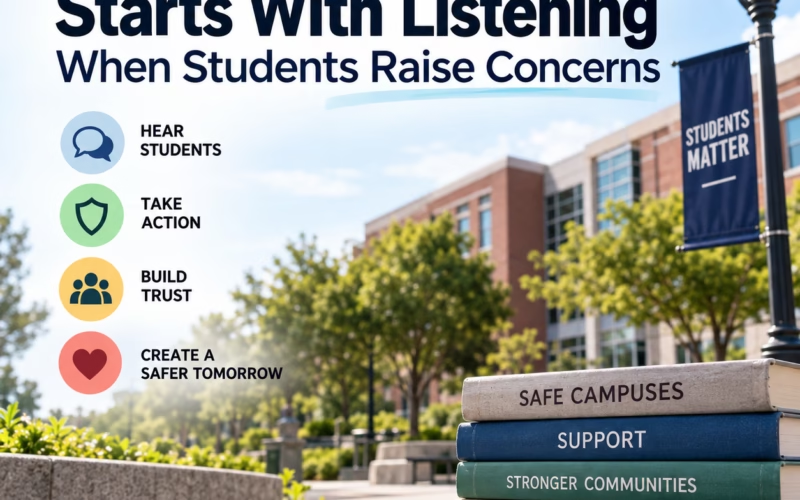
University life is often described as a time of freedom and possibility. Students move into new homes, meet unfamiliar people and learn to manage more of life for themselves. That independence can be exciting, but it can also make it harder to know where to turn when something feels wrong.
Sexual harassment at university is not always reported through a formal complaint. A student may mention it in passing to a friend, confide in a tutor, speak to a welfare adviser or simply withdraw from the people and places that make them uncomfortable. These quieter signs matter. They can be the first indication that a student does not feel safe or supported in the environment where they are meant to learn.
The quality of a university’s response often begins with that first conversation.
The first response can shape every decision that follows
When a student shares an experience of sexual harassment, they may not know what they want to happen next. They may be upset, uncertain about the facts, worried about being judged or concerned about running into the person involved. They may also be afraid that complaints will become public within their course, halls or friendship group.
There is no single reaction that suits every situation. What matters is that the student is listened to without pressure and given clear information about their options. A supportive staff member does not need to promise a particular outcome. They do need to explain what help is available, what information may need to be shared and what steps the student can choose to take.
Confusion at this stage can cause lasting damage. If someone believes that speaking to a member of staff automatically starts a disciplinary case, they may avoid asking for support altogether. Universities should make it easy to understand the difference between seeking help, making a disclosure and submitting a formal report.
Sexual harassment at university can affect everyday life
The consequences of sexual harassment at university are rarely confined to the moment an incident occurs. Students may begin missing seminars, changing their route across campus or avoiding social events they once enjoyed. Those who live near the other person may feel trapped in accommodation that no longer feels like home.
Academic performance can suffer too. Concentration, sleep and confidence may all be affected. An approaching deadline can feel impossible when a student is also trying to make sense of an upsetting experience. In some cases, the student may be worried about a group project, a placement or a society in which the other person is involved.
Practical support can make a real difference. Depending on the circumstances, a university may be able to consider changes to teaching arrangements, accommodation, deadlines, assessments or contact arrangements. Support should not have to wait until a lengthy process is complete. It can be offered without prejudging what ultimately happened.
Clear communication matters as much as policy
Most universities have policies on sexual misconduct, but a policy is only useful when students can understand and use it. Dense documents, unclear reporting routes and unfamiliar language can make an already difficult situation feel more daunting.
Students should be able to find straightforward answers to basic questions. Who can they speak to? Can they bring someone with them to a meeting? Will their information be kept private? What happens if they do not want a formal investigation? How long might a process take? What support is available while they wait?
Communication should continue after a report is made. Long periods without an update can leave students feeling ignored, even where staff are working behind the scenes. A named contact, realistic timelines and honest explanations of any delay can reduce uncertainty. Small acts of organisation can have a significant effect on how a student experiences the process.
Fairness is part of building trust
Sexual harassment at university must be taken seriously, but a serious response must also be fair. The person who raises a concern should be treated with dignity and given meaningful support. The person responding to an allegation should be told clearly what has been alleged, given a reasonable opportunity to respond and treated without assumptions.
This balance is not an obstacle to a compassionate system. It is the foundation of a process that students can trust. Poorly managed cases can prolong distress for everyone involved and make students less likely to seek help in future.
Fairness also means recognising that students have different needs. An international student may be unfamiliar with university procedures. A disabled student may need information presented differently or may find meetings especially difficult. A student experiencing anxiety may need additional support to engage with a process. One standard route may not be equally accessible to everyone.
Creating a culture that feels safe in practice
A university cannot eliminate every difficult interaction, but it can show students that concerns will be heard and handled responsibly. That requires more than an annual awareness campaign. It requires staff who understand how to respond, reporting routes that are easy to find and support that reflects the realities of student life.
It also requires an environment where people do not feel they must prove that their experience was serious enough before asking for help. Sexual harassment at university is not only a question of policies and procedures. It is a question of whether students feel able to continue learning, living and participating without fear.
A safer university begins when students are met with clarity, care and a genuine willingness to listen.
